 English
  Español
Shrimp Farming After Heavy Rain: Key Prevention and Recovery Steps
Sudden rainfall can sharply reduce pond salinity, disrupt water quality, and lower dissolved oxygen levels. When intense sunlight follows the rain, the resulting temperature and salinity fluctuations significantly increase the risk of disease outbreaks and mass mortality. Implementing typhoon‑season precautions and timely post‑rain management is essential to protecting the hard work of shrimp farmers.
Before heavy rain of Shrimp Farming management
- Heavy rainfall can cause drastic changes in pond salinity and pH. It is advisable to moderately reduce stocking density and apply quicklime or bottom conditioners in advance to help stabilize water quality.
- Reinforce escape‑proof nets to prevent shrimp from being washed out during pond overflow.
Post‑rain salinity adjustment and aeration:
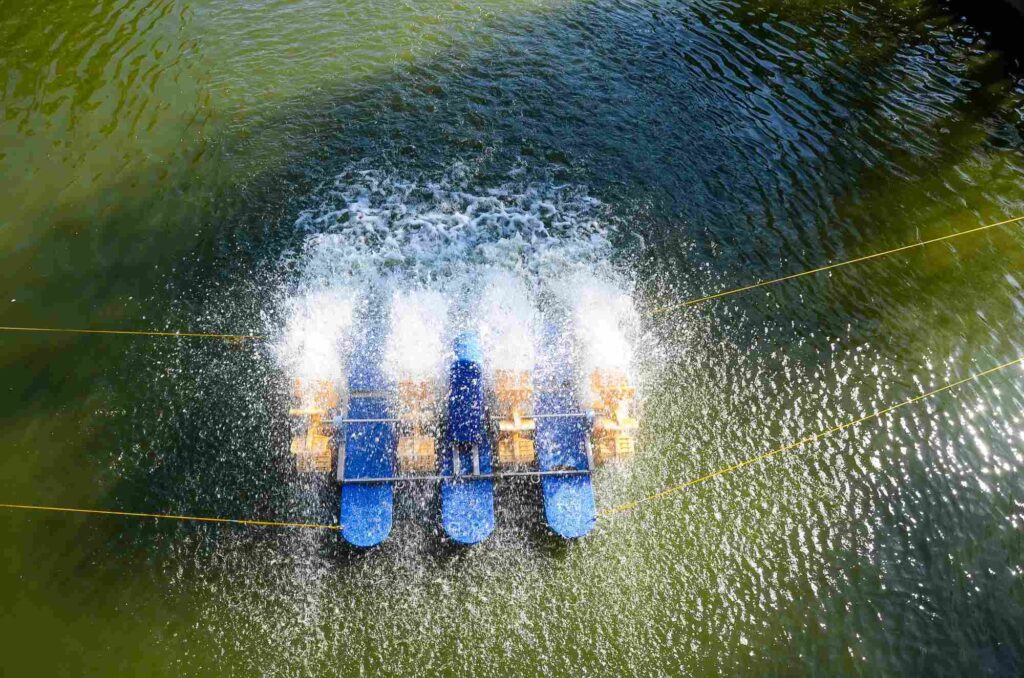
- Immediately after rainfall, start paddlewheels to increase aeration and enhance water circulation between upper and lower layers.
- Gradually pump or replenish seawater to restore salinity to a suitable range, avoiding sudden fluctuations.
Cleaning and disinfection:
- The highest risk period is typically three days to one week after heavy rain. Remove and properly dispose of dead fish and shrimp (preferably by incineration or calcination rather than burial, which may cause fermentation and further water deterioration).
- Apply photosynthetic bacteria or water purifiers to improve bottom conditions.
Disease monitoring:
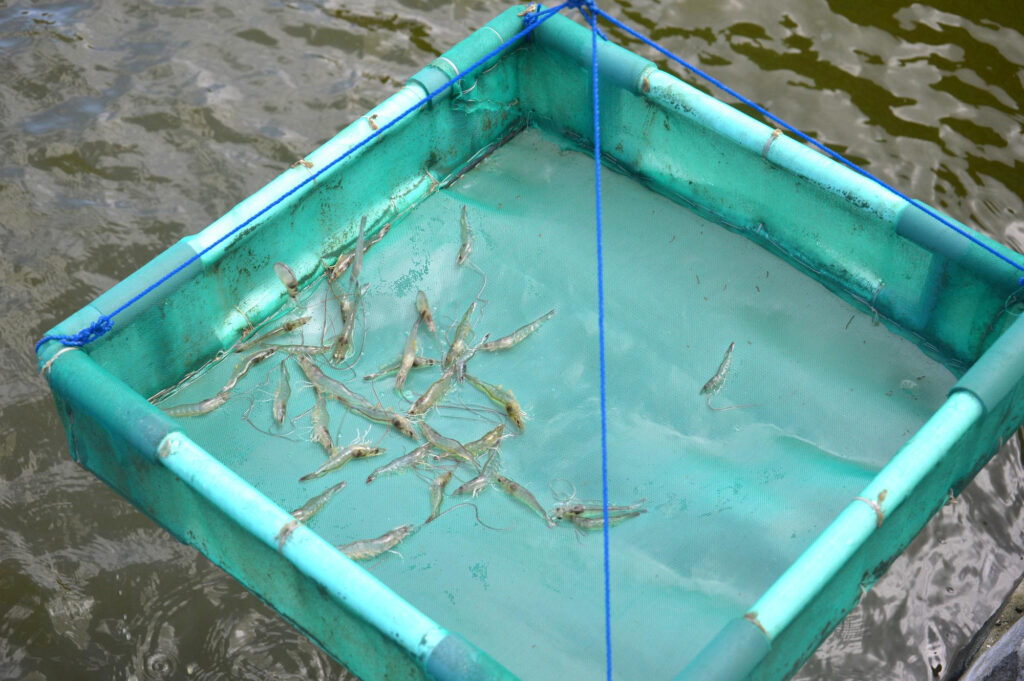
- Bacterial infections—especially Vibrio—are more likely to occur after rain. If shrimp show abnormal behavior such as slow swimming or lesions on the body surface, administer appropriate treatment promptly.
Heavy rainfall poses significant challenges to shrimp farming, from sudden drops in salinity to increased disease pressure in the days that follow. By taking preventive measures before storms, reinforcing pond infrastructure, and responding quickly with aeration, salinity correction, and thorough post‑rain cleanup, farmers can greatly reduce losses. Continuous monitoring for bacterial infections—especially Vibrio—is essential during the high‑risk period after heavy rain. With proper preparation and timely management, shrimp farmers can maintain stable pond conditions, protect stock health, and safeguard the results of their hard work throughout the rainy and typhoon seasons.